
Abraham Maslow
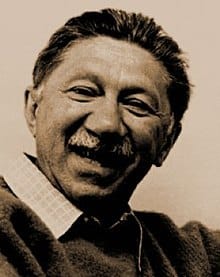
Summary of Abraham Maslow
- Full Name: Abraham Harold Maslow
- Born: April 1, 1908, Brooklyn, New York, USA
- Died: June 8, 1970, Menlo Park, California, USA
Key Contributions:
- Founder of Humanistic Psychology: Known as the "third force" in psychology, focusing on individual potential and self-actualization.
- Maslow's Hierarchy of Needs: Developed a five-tier model of human motivation, often depicted as a pyramid:
- Physiological Needs: Basic survival needs like food, water, and shelter.
- Safety Needs: Security and protection.
- Love and Belonging: Relationships and social connections.
- Esteem Needs: Respect, self-esteem, and achievement.
- Self-Actualization: Fulfillment of personal potential.
- Focus on Positive Psychology: Emphasized studying well-adjusted, high-achieving individuals instead of focusing solely on pathology.
- Books and Writings: Key works include Motivation and Personality (1954) and Toward a Psychology of Being (1962).
Legacy:
- Impact on Psychology and Management: Influenced fields such as education, business, and therapy with his emphasis on motivation and human potential.
- Critiques: The hierarchy is often considered too rigid, with critics suggesting needs don't always follow a linear progression.
- Continuing Influence: Remains a foundational figure in understanding human motivation and well-being.